Material Selection: Steel vs. Poly Plow Blades
Choosing the right plow blade material is crucial for both efficiency and sustainability. Steel blades offer superior durability, weathering heavy snowfalls and demanding conditions. However, their weight increases fuel consumption. Poly (plastic) blades, conversely, are lighter, leading to fuel savings and reduced strain on your tractor. They also resist rust. However, their durability may be compromised in extreme cold or during consistently heavy snowfall. Comprehensive lifecycle data comparing the environmental impact of steel and poly blades is currently lacking – a significant area for future research. The best choice hinges on your climate and typical winter conditions. Lighter snowfalls may justify poly blades, while heavier, persistent snowfall necessitates the robustness of steel. For more information on tractor plows, check out this helpful resource: Kubota Tractor Plows.
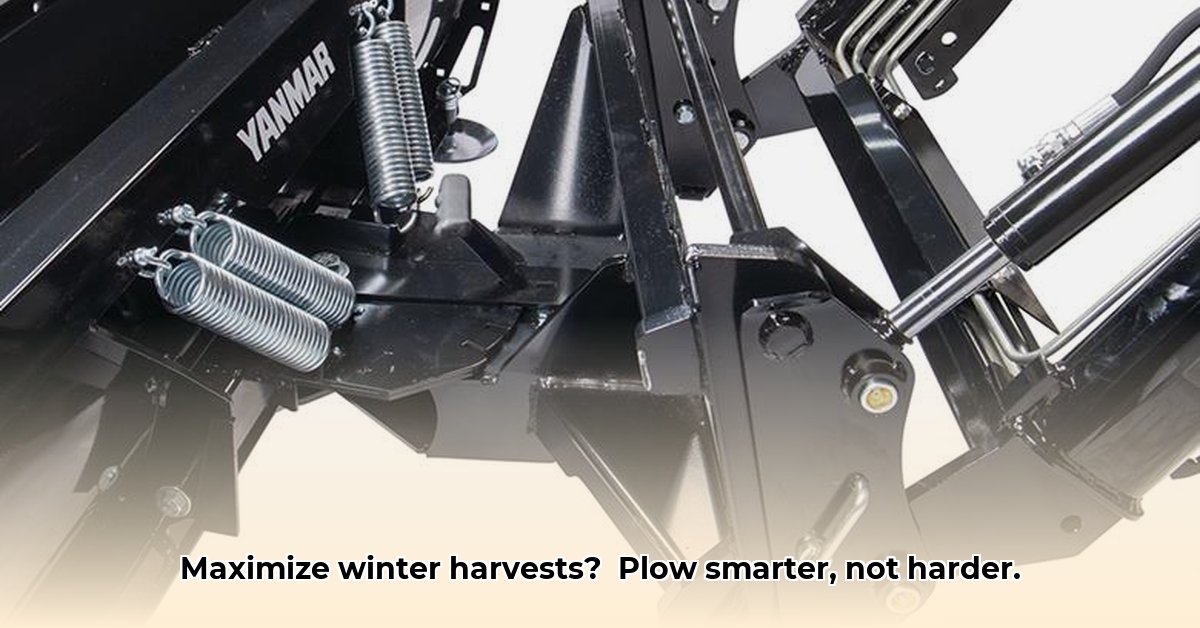
Attachment Mechanisms: Quick-Attach Systems for Enhanced Efficiency
Quick-attach systems drastically improve tractor plow efficiency. Instead of time-consuming manual hitching, these systems enable rapid blade changes, minimizing downtime. This translates to faster snow clearing and reduced overall fuel consumption. A simple lever or latch mechanism securely connects the plow, offering superior speed and simplicity compared to bolt-and-nut systems. Wouldn't minimizing downtime significantly increase your operational efficiency? The widespread adoption of these systems also facilitates switching between various tractor implements, further enhancing productivity.
Blade Design and Efficiency: Optimizing Your Snow Removal Strategy
Different plow blade designs impact snow removal efficiency. Straight blades handle diverse conditions but might require multiple passes. V-plows, designed to efficiently move large snow volumes, often necessitate fewer passes. The optimal choice depends on your clearing area and typical snowfall. Fine-tuning the blade angle is crucial for minimizing passes and fuel consumption. How much fuel could you save by optimizing your blade angle? Experimentation will reveal the ideal setting for your conditions.
Maintenance and Longevity: Extending Plow Blade Lifespan
Regular maintenance extends plow blade lifespan, saving money and promoting sustainability. Post-use inspections are critical, checking for dents, cracks, or corrosion. Regular cleaning and lubrication of moving parts significantly reduce wear and tear. Proper off-season storage protects against weather damage. Is proactive maintenance a cost-effective strategy compared to frequent blade replacements? The answer is a resounding yes.
Cost-Benefit Analysis: The Long-Term Investment in Efficiency
Investing in durable, efficient plow blades offers substantial long-term savings despite higher initial costs. Reduced fuel consumption, fewer replacements, and increased overall efficiency contribute to lower operational expenses. This is a sustainable investment generating higher productivity and reduced costs. A thorough risk assessment should consider factors such as material durability, maintenance requirements, and potential for mechanical failure.
Future Trends and Innovations: The Next Generation of Plow Blades
Research focuses on developing stronger, more efficient plow blade materials. Smart technology – incorporating sensors and automation – promises improved precision and control. Imagine a self-adjusting plow blade for optimal performance! These advancements will optimize snow removal while minimizing environmental impact and maximizing fuel efficiency.
Conclusion: Sustainable Snow Removal for Enhanced Yields
Choosing the right plow blade, utilizing it effectively, and implementing a regular maintenance schedule are essential for sustainable and productive snow removal. Efficiency and longevity improvements ensure increased winter yields, reduced environmental impact, and maximized profitability. The sustainable practices discussed here contribute to a more efficient and environmentally responsible agricultural operation.